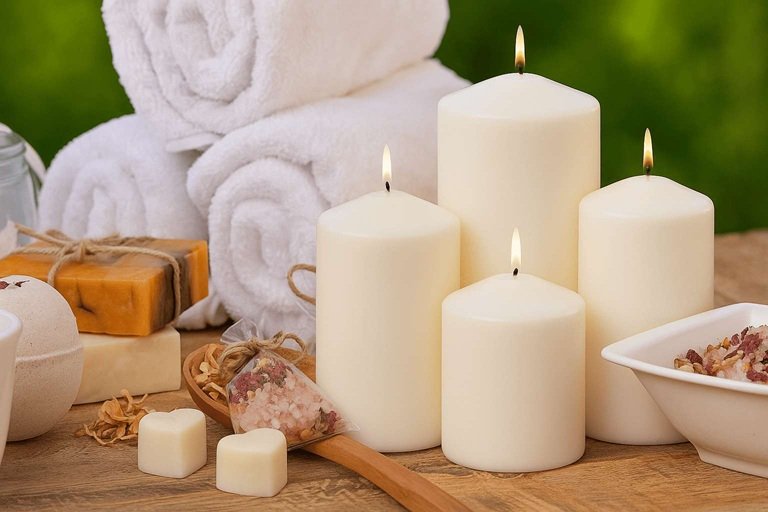
Mindfulness • Meditation • Aromatherapy • Conscious Living
Creating a Mindful Sanctuary at Home with Organic Soy Wax Aromatherapy Candles
In a world filled with notifications, deadlines, traffic, screens, noise and constantly changing demands, creating a quiet corner at home can become a powerful way to reconnect with yourself. A mindful sanctuary does not have to be an elaborate meditation room or an expensive wellness retreat. Sometimes, it begins with a clean surface, a comfortable cushion, a few intentional objects and the gentle glow of an organic soy wax aromatherapy candle.
Candles have long been associated with reflection, ceremony, prayer, meditation and relaxation. Today, they are also becoming part of modern mindful living. From candles for mindfulness practice and candles for peaceful meditation space to aromatherapy candles used during yoga, journaling, breathwork and evening relaxation, the right candle can help establish a sensory cue that signals a transition from activity to awareness.
For people in India who want to bring a more intentional wellness ritual into their homes, handmade soy-wax candles offer an appealing combination of ambience, fragrance, craftsmanship and conscious design. Brands such as Mistico Opus have developed collections around handmade soy wax, aromatherapy, wellness, meditation and elegant home décor.
In this guide, you will discover:
- What a mindful home sanctuary really means
- How candles can become anchors for mindfulness practice
- Why soy wax is popular for wellness-oriented candles
- How essential-oil aromas can complement meditation and relaxation
- How to choose candles for meditation, yoga, sleep and spiritual rituals
- How to design a calming candle ritual at home
- How jar and pillar candles can be incorporated into a sanctuary
- How to build a mindful evening routine around candlelight
- Why handmade vegan candles appeal to conscious consumers
- How Mistico Opus candles can fit into a mindful lifestyle
What Is a Mindful Sanctuary at Home?
A mindful sanctuary is a dedicated environment that encourages you to slow down, become present and reconnect with your senses. It can be a complete room, a meditation corner, a balcony, a bedside table, a reading chair or even a small section of your living room.
The defining feature is not the size of the space. It is the intention behind it.
A mindful sanctuary should make it easier to move away from constant stimulation and toward awareness. Instead of entering the space simply to consume entertainment or complete another task, you enter it to breathe, reflect, meditate, stretch, journal, pray, read, practice yoga or simply sit quietly.
This is why environmental cues matter. When the same objects, lighting and fragrance are repeatedly associated with relaxation, they can become part of a personal ritual. Lighting a candle before meditation, for example, can become a simple signal that tells your mind: this is the time to slow down.
A sanctuary does not need to be expensive
One of the biggest misconceptions about creating a wellness space is that it requires a large investment. A mindful sanctuary can be created with very few elements:
- A comfortable meditation cushion or yoga mat
- Soft, uncluttered lighting
- A natural soy wax candle
- A calming fragrance, if desired
- A plant or small natural decorative object
- A journal or meditation book
- A few minutes of uninterrupted time
The goal is not to create a picture-perfect room. The goal is to create a space that supports your intention.
Why sensory cues are important
Mindfulness is fundamentally about paying attention to the present experience. A sanctuary can help by reducing unnecessary distractions and introducing gentle sensory anchors.
Candlelight provides a visual anchor. Fragrance provides an olfactory cue. The warmth and atmosphere of a candlelit room can contribute to a feeling of transition. Together, these elements can make an ordinary room feel different from the rest of the day.
This is one reason candles for mindfulness practice have become popular among people interested in meditation, yoga, journaling and conscious living.
Why Candles Belong in a Mindful Home
A candle is a remarkably simple object. It produces light, introduces fragrance when scented, and creates a visually distinctive flame. Yet these simple qualities can contribute to the atmosphere of a mindful space.
1. Candlelight can create a softer atmosphere
Bright overhead lighting can make a room feel active and functional. Softer candlelight can create a completely different visual environment. This does not automatically make a person mindful, but it can support a deliberate transition into a quieter activity.
2. The flame can become a visual focal point
The movement of a candle flame naturally attracts attention. During appropriate meditation practices, the flame can be used as a simple object of observation.
Rather than trying to force the mind to become completely empty, you can gently observe the flame, notice when your attention wanders and return your attention to the visual experience.
3. Fragrance can reinforce a ritual
Scent is strongly associated with memory and environmental recognition. A particular fragrance used consistently during an evening relaxation ritual can become part of that ritual's identity.
This is where meditation candles with essential oils can become especially appealing. The fragrance becomes another sensory element within the practice.
4. Candles encourage intentional transitions
One of the greatest challenges of modern mindfulness is remembering to pause. A simple action such as lighting a candle can become a transition marker.
Work ends. The candle is lit. The phone is placed away. Breathing slows. The meditation cushion becomes the focus. The room changes from a workspace into a sanctuary.
This is not about the candle possessing magical powers. It is about using a physical action to support a mental intention.
Why Choose Organic Soy Wax Candles for a Mindful Sanctuary?
When selecting candles for a wellness-oriented home, many consumers look beyond fragrance and appearance. Wax type, wick construction, ingredients, craftsmanship, packaging and sustainability can all influence the buying decision.
Soy wax candles have become popular among consumers looking for an alternative to traditional candle materials. Soy wax is plant-derived and is commonly associated with a slower, gentle-burning candle experience.
Plant-based wax and conscious living
People who are consciously designing their homes often consider the story behind the products they bring into those spaces. Choosing renewable, plant-based materials can fit naturally into a broader lifestyle focused on mindful consumption.
This is one reason eco friendly soy candles for meditation are increasingly attractive to consumers who want wellness and sustainability to coexist.
Soy wax for meditation spaces
Meditation requires an environment where distractions are minimized. A candle with a stable burn, carefully selected fragrance and aesthetically pleasing container can become part of the environment rather than another distraction.
For this reason, soy wax jar candles for meditation can work particularly well in home environments where convenience and décor matter.
Why handmade matters
Handmade candles appeal to consumers who appreciate craftsmanship. The process allows a candle brand to focus on details such as wax preparation, fragrance blending, wick selection, vessel presentation and finishing.
The growing interest in handmade organic jar candles in India reflects a broader consumer desire for products that feel personal, considered and connected to conscious living.
Important: "Natural", "organic", "non-toxic", "clean-burning" and similar descriptions should always be evaluated against the actual ingredients, formulation, testing and labeling information provided by the candle manufacturer. A natural wax does not mean a candle should be burned without following normal candle-safety practices.
Understanding Aromatherapy Candles for the Home
Aromatherapy candles combine candlelight with fragrance. Depending on the formulation, the fragrance may come from essential oils, fragrance oils or a blend of aromatic materials.
Consumers searching for organic aromatherapy candles for stress relief, calming aromatherapy candles for home or toxin free scented candles with essential oils should pay attention to product descriptions and ingredient information rather than relying only on marketing terminology.
What makes a candle suitable for a mindful environment?
A candle does not have to be marketed specifically as a meditation candle to be useful in a mindful space. Look for characteristics that match your personal practice:
- A fragrance intensity that is comfortable for you
- A wax formulation appropriate for indoor candle use
- A stable vessel or pillar design
- A wick that produces a consistent flame when properly maintained
- A scent profile that complements your intended activity
- Clear care and safety instructions
- Ingredients and claims that are transparently communicated
Fragrance should support—not dominate—the practice
One common mistake is selecting an extremely strong fragrance because it initially seems luxurious. During meditation, however, an overpowering scent can become another distraction.
A mindful sanctuary is not a competition to see how many sensory experiences can be added. Sometimes, one softly scented candle is enough.
Candles for Meditation and Mindfulness
Meditation can take many forms. Some practices focus on breath awareness. Others involve mantra, visualization, loving-kindness, prayer, body scanning or focused attention.
Candles can complement several of these practices by giving the practitioner a consistent environmental cue.
Candle gazing and focused attention
Candle gazing is often associated with trataka, a traditional yogic concentration practice. If you practice candle gazing, follow an established technique and avoid straining your eyes.
For a simple mindfulness exercise, you can instead observe the flame for a short period without attempting to control it. Notice its movement. Notice its brightness. Notice the surrounding shadows. When thoughts appear, acknowledge them and gently return attention to the flame.
Breath meditation with candlelight
Place a candle at a safe distance from your meditation position. Sit comfortably and allow your eyes to soften or close. Notice the natural rhythm of breathing.
If fragrance is present, simply notice it rather than deliberately taking repeated deep breaths. The goal is awareness rather than forcing an outcome.
Why ritual can improve consistency
The most useful mindfulness practice is often the one you actually repeat. A small ritual can reduce the friction involved in starting.
If lighting a candle becomes your cue for meditation, the action can help establish consistency: candle first, phone away, cushion down, breath observed.
Over time, the ritual itself becomes familiar.
How to Create a Peaceful Meditation Space at Home
You do not need a separate meditation room. A peaceful meditation space can be created almost anywhere that allows you to sit comfortably and safely.
Step 1: Choose a low-traffic location
Select a location that is less likely to be interrupted. This could be a bedroom corner, balcony, study area or living room section.
Step 2: Remove visual clutter
Clutter is not inherently bad, but excessive visual stimulation can make a small space feel busy. Remove unnecessary objects from the immediate meditation area.
Step 3: Introduce a comfortable base
Use a meditation cushion, yoga mat, floor mat or comfortable chair. Comfort is important because physical discomfort can easily become a distraction.
Step 4: Add one or two natural elements
A plant, wooden object, stone, ceramic bowl or natural textile can add visual warmth without creating clutter.
Step 5: Add candles for a peaceful meditation space
A carefully selected candle can become the visual centre of your sanctuary. Depending on your preference, consider soy wax jar candles for relaxation or natural soy pillar candles for meditation.
Step 6: Keep technology outside the ritual
If possible, place your phone on silent and outside immediate reach. A meditation sanctuary should feel different from the rest of your digital environment.
Step 7: Create a repeatable routine
The same candle, same cushion and similar time each day can create a recognizable pattern. The simpler the routine, the easier it may be to maintain.
Using Natural Essential Oil Candles for Yoga Practice
Yoga is more than a physical workout for many practitioners. It can also be a time for breath awareness, concentration and reflection. The environment surrounding a yoga practice can influence how the session feels.
Natural essential oil candles for yoga can be used to create a softer atmosphere before or after practice.
Before yoga
Light a candle before beginning your session if the space is safe and well ventilated. Use the moment before practice to set an intention.
Your intention might be as simple as:
“For the next thirty minutes, I will be present with my breath and body.”
During yoga
Keep candles well away from your mat, loose clothing, curtains and any movement path. A candle should complement the practice without becoming a safety concern.
After yoga
Consider sitting quietly for two or three minutes after your final posture. Allow the candlelight to mark the transition from movement to stillness.
This simple transition can make the entire practice feel more intentional.
Natural candles for a yoga studio
Yoga studios that use candles should pay particular attention to ventilation, fire safety, placement and fragrance sensitivity. In shared spaces, fragrance preferences can vary considerably.
A subtle candle can be more appropriate than an intensely scented product when several people are sharing the same room.
Using Aromatherapy Candles for Relaxation and Sleep
Evening is one of the most natural times to introduce candlelight into a mindful routine. After a day dominated by artificial lighting and digital screens, softer lighting can create a deliberate transition toward bedtime.
Aromatherapy candles for relaxation and sleep are commonly associated with calming fragrance profiles such as lavender.
Lavender candles for better sleep
Lavender is one of the most recognizable aromas associated with relaxation. A natural lavender soy candle for sleep can become part of an evening ritual.
However, it is important not to describe a candle as a guaranteed treatment for insomnia or another medical condition. Fragrance and candlelight can support a relaxing environment, but they should not be presented as substitutes for professional medical care.
A better evening candle routine
- Finish demanding work or study activities.
- Reduce unnecessary overhead lighting.
- Put your phone away or activate a quiet mode.
- Light a candle safely.
- Read, journal, stretch or meditate.
- Extinguish the candle before leaving the room or going to sleep.
The final point is essential: never leave a burning candle unattended and never sleep while a candle is burning.
Candles for Spiritual Meditation and Rituals
Across cultures, candles and lamps have long been used symbolically in spiritual and ceremonial settings. A flame can represent light, awareness, devotion, remembrance, clarity or transformation.
Modern consumers may also use candles for spiritual meditation as part of personal reflection, prayer, intention-setting or gratitude practices.
Creating a personal ritual
A personal ritual does not need to follow a complicated sequence. It could be:
- Light the candle.
- Take three slow breaths.
- State an intention silently.
- Sit quietly for five to ten minutes.
- Close with gratitude.
- Extinguish the candle safely.
Essential oil candles for spiritual rituals
Some people associate particular aromas with grounding, reflection or spiritual practices. Sandalwood, frankincense, rose and other botanical aromas are frequently chosen for ceremonial environments.
Rather than treating a particular scent as universally spiritual, choose an aroma based on your own associations, cultural traditions and comfort.
A note about chakra-related candle use
Searches for aromatherapy candles for chakra healing are common in the wellness space. If you incorporate candles into chakra-focused practices, treat color and fragrance as symbolic or experiential elements rather than making unsupported medical claims.
Choosing Essential Oil Candle Aromas for Your Sanctuary
The best fragrance for a mindful sanctuary is the fragrance that feels comfortable and appropriate for your intended activity.
Lavender
Lavender is a popular choice for evening rituals, relaxation and sleep-oriented environments.
Sandalwood
Sandalwood has a warm, woody character and is frequently associated with meditation and contemplative environments.
Rose
Rose can create a soft floral atmosphere and may be appealing for self-care, reflection and emotional rituals.
Citrus
Orange and other citrus profiles can create a brighter atmosphere that may suit morning routines, creative work or energizing spaces.
Eucalyptus
Eucalyptus has a fresh aromatic profile and is often chosen for yoga, meditation and refreshing environments.
Frankincense
Frankincense has a resinous, ceremonial aroma and can suit reflective or spiritual rituals.
If you are sensitive to fragrance, begin with a lightly scented candle or an unscented soy candle. A mindful sanctuary should feel comfortable rather than overwhelming.
Jar Candles vs Pillar Candles for Meditation and Wellness
Both jar and pillar candles can work beautifully in a mindful home. The better choice depends on your space, aesthetic preferences, candle routine and safety considerations.
Soy wax jar candles
Jar candles are particularly convenient for bedrooms, living rooms, meditation corners and workspaces. The container creates a defined candle footprint and can complement contemporary home décor.
Handmade aromatherapy jar candles are also popular as gifts because the vessel itself can become part of the decorative experience.
Soy wax pillar candles
Pillar candles provide a more sculptural appearance. Soy wax meditation pillar candles can be particularly attractive when used as a visual centrepiece in a dedicated meditation area.
Pillars can also be arranged in groups, although multiple flames require additional attention to spacing and fire safety.
Which one should you choose?
- Choose a jar candle for convenience, portability and everyday home use.
- Choose a pillar candle for a decorative focal point or larger meditation setup.
- Choose an unscented candle if fragrance distracts you.
- Choose an aromatherapy candle if fragrance enhances your personal ritual.
How to Create a Daily Candle Mindfulness Ritual
The secret to a successful mindfulness ritual is consistency rather than complexity.
You could create a ritual that lasts only ten minutes.
The 10-minute candle ritual
- Minute 1: Tidy the immediate area.
- Minute 2: Light your candle safely.
- Minutes 3–4: Take slow, natural breaths.
- Minutes 5–7: Observe the flame or your breath.
- Minutes 8–9: Notice how you feel without judging it.
- Minute 10: Express gratitude and extinguish the candle.
Repeat the ritual at a consistent time if possible.
Morning mindfulness
A lightly scented candle can become part of a slow morning routine. Instead of reaching immediately for your phone, spend several minutes with a warm drink, journal or meditation cushion.
Midday reset
If your workday allows it, a short candle ritual can act as a reset between tasks. Even two minutes of quiet breathing can create a deliberate pause.
Evening decompression
Evening is particularly suited to stress relief candles for home. Use candlelight as one component of a broader wind-down routine.
The Five-Minute Candle Mindfulness Practice
You do not need a long meditation session to begin.
Minute one: Arrive
Sit comfortably and become aware of the room. Notice sounds, temperature and physical sensations.
Minute two: Observe the flame
Look gently at the candle flame. Avoid staring intensely. Notice its movement and brightness.
Minute three: Notice your breathing
Shift your attention from the flame to your breathing. Do not force the breath. Simply observe it.
Minute four: Notice fragrance
If your candle is scented, notice the fragrance as it exists in the room. You do not need to analyze it.
Minute five: Set an intention
Ask yourself: “What quality would I like to carry into the rest of my day?”
Your answer could be patience, clarity, kindness, courage, calm or simply presence.
Creating an Evening Sanctuary with Aromatherapy Candles
A home can feel completely different after sunset. Instead of treating evening as an extension of the workday, you can create a deliberate transition into rest.
Step away from screens
Put your phone aside for a period of time. Even a short break can make your candle ritual feel more meaningful.
Lower the lighting
Use softer lighting where appropriate. Candlelight can then become part of the room's atmosphere rather than competing with intense overhead lighting.
Choose a calming scent
Lavender, soft woods and gentle floral profiles are popular choices for evening relaxation.
Combine candlelight with journaling
Write down three things that went well during the day. Then write one thing you would like to release before going to sleep.
Practice gratitude
A candle can become the physical symbol of a gratitude ritual. Sit quietly and think of people, experiences or opportunities you appreciate.
These small practices can turn aromatherapy candles for relaxing home atmosphere into part of a much broader mindfulness routine.
Organic, Vegan and Eco-Friendly Candles for Conscious Living
Mindfulness is not limited to meditation. It can also influence the way we consume, decorate and care for our homes.
Consumers increasingly look for products that align with values such as plant-based ingredients, craftsmanship, sustainability and responsible consumption.
Why vegan soy candles appeal to mindful consumers
Handmade vegan soy candles with essential oils can fit naturally into a lifestyle that prioritizes plant-based materials and conscious purchasing.
Vegan does not automatically mean environmentally perfect, however. Consumers should also consider packaging, transportation, sourcing, production practices and product longevity.
Reusable candle vessels
Some candle jars can be cleaned and reused once the candle has finished. A glass container can potentially become a holder for small objects, cotton pads, stationery or décor, provided it is cleaned appropriately and is suitable for its new purpose.
Buy intentionally
Mindful consumption means buying fewer products that you genuinely enjoy rather than continuously accumulating items.
A single beautifully made candle that becomes part of your daily ritual may be more meaningful than a shelf full of candles that are rarely used.
Mistico Opus: Handmade Soy Wax Candles for a Mindful Home
For Indian consumers looking to incorporate handcrafted candles into meditation, relaxation, home décor and wellness routines, Mistico Opus offers a range positioned around soy wax, aromatherapy, handcrafted production and luxury home ambience.
The brand's website presents candles in both jar and pillar formats and highlights characteristics such as natural soy wax, vegan positioning, handcrafted production, aromatherapy and home décor applications. Its collection includes products designed for different aesthetic and lifestyle preferences. :contentReference[oaicite:1]{index=1}
Explore the current collection directly at Mistico Opus.
Mistico Opus aromatherapy candles
The phrase Mistico Opus aromatherapy candles represents the intersection between fragrance, ambience and intentional living. For a mindful sanctuary, these candles can be incorporated into meditation, evening relaxation, journaling or simple moments of quiet.
Mistico Opus eco friendly candles
Consumers searching for Mistico Opus eco friendly candles are typically looking for products that combine home fragrance with a more conscious approach to candle materials and design. Mistico Opus positions its soy wax products around an eco-conscious experience. :contentReference[oaicite:2]{index=2}
Mistico Opus essential oil candles
For people who prefer aromatic environments, Mistico Opus essential oil candles can become part of a personalized sensory ritual. Choose a fragrance that complements your intended mood and keep the intensity comfortable.
Mistico Opus handmade vegan candles
Handmade production can give a candle a more artisanal character, while vegan positioning can appeal to consumers who prefer plant-based lifestyle products.
Mistico Opus luxury soy candles
A mindful sanctuary can also be aesthetically beautiful. Mistico Opus luxury soy candles combine the visual role of décor with the sensory role of candlelight and fragrance.
Mistico Opus meditation candles
A meditation candle should never become the centre of attention in a way that disrupts your practice. Instead, use it as a gentle environmental cue: when the candle is lit, the meditation begins.
Mistico Opus natural aromatherapy candles
Natural aromatherapy candles can fit especially well into homes where consumers want to create a more nature-inspired atmosphere.
Mistico Opus organic scented candles
When evaluating Mistico Opus organic scented candles, shoppers should always refer to the specific product description for the exact formulation, scent and ingredient information.
Mistico Opus soy wax candles
The brand's soy-wax range makes it possible to incorporate plant-derived wax candles into meditation corners, bedrooms, living rooms, yoga spaces and gifting occasions. :contentReference[oaicite:3]{index=3}
Mistico Opus wellness candles
A wellness candle is most useful when it becomes part of a broader practice. Lighting a candle alone does not create mindfulness. The combination of intention, environment and repeated practice is what makes the ritual meaningful.
Bring More Intention Into Your Space
Explore handmade soy wax candles and aromatherapy-inspired products from Mistico Opus and discover a candle that complements your personal meditation, relaxation, yoga or home-wellness ritual.
How to Choose the Best Organic Soy Wax Aromatherapy Candle
With so many candle choices available online and in stores across India, selecting the right candle can become confusing. Instead of choosing only by appearance, consider the following factors.
1. Start with your intention
Are you buying the candle for meditation, relaxation, sleep, yoga, spiritual rituals, home décor or gifting?
Your answer should influence the fragrance, format and size.
2. Check the wax
If you specifically want soy candles, check whether the product description clearly identifies the wax composition.
3. Understand the fragrance
Look for transparent information about fragrance ingredients. If you specifically want essential oils, verify that the product is actually formulated with essential oils rather than assuming that every "aromatherapy" candle contains them.
4. Consider scent strength
Meditation generally benefits from a low-distraction environment. Choose fragrance strength according to the size of your room and your personal sensitivity.
5. Choose the right format
Jar candles are convenient for many home settings. Pillar candles can provide a more sculptural look.
6. Look for clear care instructions
A responsible candle purchase should include appropriate burn and safety guidance.
7. Consider the overall aesthetic
A candle is often visible even when it is not burning. Choose a vessel or pillar design that complements your sanctuary.
Common Mistakes When Creating a Candle Meditation Sanctuary
Mistake 1: Using too many candles
More candles do not necessarily create more mindfulness. One candle may be enough.
Mistake 2: Choosing an overpowering fragrance
A fragrance that feels luxurious in a store may feel distracting in a small meditation room.
Mistake 3: Ignoring ventilation
Indoor candle use should always be compatible with appropriate ventilation and the manufacturer's instructions.
Mistake 4: Leaving candles unattended
Never leave a burning candle unattended. Extinguish it before leaving the room and always follow the manufacturer's safety guidance.
Mistake 5: Placing candles near fabrics
Keep flames away from curtains, bedding, clothing, paper, plants and other combustible materials.
Mistake 6: Treating candles as medical treatment
Aromatherapy candles can contribute to atmosphere and relaxation, but they should not be represented as cures for anxiety, insomnia, depression or other medical conditions.
Mistake 7: Making the sanctuary too complicated
A sanctuary should simplify your life rather than create another project you have to maintain.
Building a Long-Term Mindfulness Routine with Candlelight
The real value of a mindfulness sanctuary emerges through repetition. A beautiful room does not create mindfulness by itself. The sanctuary becomes meaningful because you repeatedly use it for intentional activities.
Week 1: Establish the space
Start with one candle, one comfortable place to sit and five minutes of quiet.
Week 2: Add intention
Before lighting the candle, identify one quality you want to cultivate.
Week 3: Add journaling
Spend five minutes writing after meditation.
Week 4: Personalize the ritual
Experiment with fragrance, music, silence, reading, prayer or yoga according to what feels meaningful to you.
Create a candle ritual that fits real life
A five-minute practice that you perform consistently is often more practical than a complicated forty-five-minute routine that you abandon after a week.
Mindfulness should fit into your life—not become another source of pressure.
How to Style a Mindful Candle Corner in an Indian Home
Indian homes can offer many natural opportunities for creating small sanctuary spaces. A quiet corner near a balcony, a bedroom side table, a prayer or reflection area, or a dedicated yoga corner can become a personal retreat.
Minimalist style
Choose a neutral soy wax jar candle, a small plant and a natural textile. Keep the area visually simple.
Traditional-inspired style
Combine candlelight with handcrafted pottery, natural wood, flowers or culturally meaningful decorative elements.
Luxury wellness style
A premium glass jar candle, elegant tray and carefully selected fragrance can create a sophisticated spa-inspired atmosphere.
Yoga corner
Keep the floor clear, place the candle securely away from movement and pair it with a yoga mat and meditation cushion.
Bedroom sanctuary
Choose a gentle fragrance and warm lighting. Always extinguish candles before sleeping.
Organic Scented Pillar Candles as Home Décor
A mindfulness sanctuary does not have to look clinical. It can be beautiful, warm and personal.
Organic scented pillar candles can provide both visual texture and fragrance. Their sculptural form makes them particularly suitable for shelves, meditation tables and decorative trays.
If you use multiple candles, maintain generous spacing and keep the arrangement away from anything that can catch fire.
Vegan decorative pillar candles
Consumers seeking vegan decorative pillar candles can incorporate them into a home aesthetic without sacrificing the broader values associated with conscious living.
The best décor is décor that serves a purpose. If a candle reminds you to slow down, breathe and return to the present, it has become more than decoration.
Handmade Wellness Pillar Candles for Meditation
Pillar candles can be especially attractive in larger meditation spaces because they create a strong visual focal point.
Handmade wellness pillar candles can bring an artisanal dimension to the sanctuary. Their appearance can complement natural materials such as wood, stone, cotton and ceramic.
For meditation, remember that visual simplicity is usually preferable. The candle should support attention rather than compete with it.
Organic Wellness Jar Candles for Everyday Relaxation
Not every candle ritual has to involve formal meditation. A candle can also accompany everyday activities such as reading, journaling, taking a bath, enjoying tea or spending quiet time with family.
Organic wellness jar candles are particularly versatile because their compact format can fit into different areas of the home.
Think of the candle as an invitation to become more aware of what you are already doing.
If you are drinking tea, notice the warmth of the cup. If you are reading, notice the words. If you are journaling, notice the movement of the pen. Candlelight simply creates a gentle environmental backdrop.
Can Candles Help Create a Calming Home Environment?
Candles can contribute to a calming home environment through lighting, scent and ritual. However, the overall atmosphere depends on many factors.
A genuinely calming home might also include:
- Less unnecessary clutter
- Comfortable temperatures
- Natural textures
- Plants and greenery
- Quiet periods without digital stimulation
- Comfortable seating
- Natural daylight during the day
- Consistent evening routines
In this context, candles for calming home environment are one small component of a larger lifestyle.
Stress Relief Candles for Home: Creating a Better Pause
Stress is often associated with feeling that there is no time to stop. A candle ritual deliberately creates a pause.
You can light an aromatherapy candle for stress relief, sit comfortably and spend several minutes doing absolutely nothing productive.
That may sound simple, but it is precisely the point.
Mindfulness does not always require another task. Sometimes it means allowing yourself to experience the present moment without trying to optimize it.
Essential Oil Candles for Emotional Balance
Fragrance can be closely connected with memories and emotions. This makes scent a useful component of personal rituals, although individual responses vary.
Essential oil candles for emotional balance can be selected according to personal preferences and associations.
Instead of asking, “Which scent guarantees a particular emotional result?” consider asking: “Which scent helps me associate this moment with calm, reflection or comfort?”
Healing Aromatherapy Candles: A Mindful Way to Think About Wellness
The term healing aromatherapy candles is widely used in wellness marketing, but it is important to distinguish between creating a supportive environment and treating a medical condition.
A candle can support rituals associated with relaxation, reflection and self-care. It should not replace professional healthcare, prescribed treatment or evidence-based medical advice.
This balanced approach actually makes candle rituals more meaningful because it places them where they belong: as part of a holistic lifestyle.
Why Handmade Organic Jar Candles Are Becoming Popular in India
The Indian home-fragrance market increasingly includes consumers interested in handmade, natural-looking, premium and wellness-oriented products.
Handmade organic jar candles in India appeal to several consumer motivations at once:
- Interest in home fragrance
- Interest in meditation and yoga
- Growing appreciation for handmade products
- Interest in plant-based materials
- Demand for premium gifting
- Desire for attractive home décor
- Growing interest in self-care rituals
Mistico Opus positions its candle collection around several of these themes, including handcrafted soy wax, aromatherapy, wellness, home décor and gifting. :contentReference[oaicite:4]{index=4}
How to Use Meditation Candles Safely
Mindfulness begins with awareness, and candle safety is part of that awareness.
- Never leave a burning candle unattended.
- Keep candles away from children and pets.
- Keep candles away from curtains, bedding and paper.
- Place candles on stable, heat-resistant surfaces.
- Do not place candles where they can be knocked over.
- Follow the manufacturer's recommended burn time.
- Trim the wick according to the manufacturer's guidance.
- Stop burning a candle when the remaining wax reaches the recommended level.
- Extinguish the flame before leaving the room.
- Never fall asleep while a candle is burning.
If a candle's specific care instructions differ from general guidance, follow the manufacturer's instructions.
The Psychology of a Ritual: Why Repetition Matters
One of the most valuable aspects of candle meditation is not the candle itself. It is the repetition.
When you repeatedly perform the same sequence—tidy the space, light the candle, sit down, breathe and reflect—you create a predictable transition.
The ritual becomes an intentional boundary between different parts of your day.
This is particularly valuable in homes where the same room serves multiple functions. A living room can be a workplace in the morning and a sanctuary in the evening. The candle helps create a symbolic change in context.
From Candlelight to Mindful Living
The ultimate goal is not to become dependent on a candle for relaxation. The goal is to use the candle as an intentional reminder of skills that you can carry into everyday life.
After several weeks of practice, you may begin to notice mindfulness during ordinary activities:
- Drinking your morning tea
- Walking outside
- Cooking dinner
- Listening to music
- Speaking with family
- Working on a focused task
- Preparing for sleep
The candle is simply where the practice begins.
Why Mistico Opus Fits the Modern Mindful Home
A modern wellness-oriented candle has to satisfy more than one need. It should look good enough to belong in the home, smell pleasant, complement a ritual and reflect the consumer's preferences around materials and craftsmanship.
Mistico Opus presents its soy wax candles as handcrafted products designed around natural, vegan, aromatherapy and luxury positioning. Its collection includes jar candles and pillar-style products for home ambience, meditation, rituals, gifting and décor. :contentReference[oaicite:5]{index=5}
For consumers searching for Mistico Opus wellness candles, the key is to choose a product according to the intended ritual rather than simply selecting a candle because it is attractive.
Visit misticoopus.com to explore the current Mistico Opus collection.
A Complete 20-Minute Mindful Sanctuary Ritual
If you want to turn the ideas in this article into a practical routine, try the following 20-minute ritual.
Minutes 1–3: Prepare
Clear the immediate area. Place your meditation cushion or chair comfortably. Put your phone away.
Minutes 4–5: Light the candle
Light your candle safely. Sit comfortably and allow your attention to settle.
Minutes 6–10: Observe
Observe the flame, the room and your breathing. Do not try to force your thoughts away.
Minutes 11–15: Meditate
Close your eyes if comfortable. Follow your breath. Whenever your attention wanders, return gently.
Minutes 16–18: Reflect
Ask yourself what you need more of right now. The answer might be rest, patience, focus, connection or simply a few more quiet moments.
Minutes 19–20: Close the ritual
Express gratitude. Extinguish the candle safely. Leave the sanctuary slowly rather than immediately returning to your phone.
Frequently Asked Questions About Organic Soy Wax Aromatherapy Candles
The following questions are designed to answer common searches related to meditation candles, aromatherapy candles, soy wax, mindfulness spaces and home wellness.
1. What are the best candles for mindfulness practice?
The best candles for mindfulness practice are those with a comfortable fragrance level, stable construction and a wax formulation that matches your preferences. Soy wax candles with gentle aromatherapy scents are popular for meditation because they can provide both soft candlelight and fragrance without making the environment overly stimulating.
2. Are soy wax candles good for meditation?
Yes. Soy wax candles are popular for meditation because soy wax is plant-derived and can provide a slow, gentle candle experience. A soy candle can also become a visual focal point and an environmental cue for beginning a meditation session. Always follow the candle manufacturer's burning and safety instructions.
3. Which candles are best for a peaceful meditation space?
Candles with gentle fragrances, simple designs and stable containers are generally suitable for a peaceful meditation space. Soy wax jar candles are convenient for everyday use, while soy wax pillar candles can provide a more decorative focal point.
4. What are the best essential oil candles for meditation?
Lavender, sandalwood, frankincense, rose and other botanical aromas are commonly selected for meditation and relaxation. The best scent is subjective, so choose an aroma you personally find calming and comfortable.
5. Can aromatherapy candles help with relaxation?
Aromatherapy candles can contribute to a relaxing environment through fragrance, soft lighting and ritual. They should be viewed as part of a relaxation routine rather than as a medical treatment for anxiety, insomnia or other health conditions.
6. What are eco friendly soy candles for meditation?
Eco friendly soy candles for meditation are candles made with soy wax and marketed with sustainability and conscious-living considerations. When shopping, look beyond the label and check the actual wax, fragrance, wick, packaging and manufacturer's sustainability information.
7. Are handmade vegan soy candles with essential oils better?
Handmade vegan soy candles can be appealing to consumers who prefer plant-based materials and handcrafted products. Whether one candle is "better" depends on its ingredients, craftsmanship, fragrance, burn performance, safety information and your personal preferences.
8. Which candle scent is best for sleep?
Lavender is one of the most popular fragrance choices for an evening relaxation routine. Lavender candles can be incorporated into a bedtime ritual, but they should never be left burning while you sleep. Extinguish every candle before going to bed.
9. Can I use aromatherapy candles during yoga?
Yes. Aromatherapy candles can create a calming atmosphere during yoga. Place them securely away from your mat, clothing and movement area, ensure appropriate ventilation and never leave them unattended. In a shared yoga studio, consider other participants' fragrance sensitivities.
10. What is the difference between soy wax jar candles and pillar candles?
Soy wax jar candles are poured into containers and are convenient for many home environments. Pillar candles are freestanding and have a more sculptural appearance. Jar candles can be useful for everyday meditation and relaxation, while pillar candles can work well as decorative focal points.
11. How do candles help with mindfulness?
Candles can support mindfulness by providing a visual focal point, creating a consistent ritual cue and changing the atmosphere of a room. The candle itself does not create mindfulness; the practitioner uses it as an anchor for attention and intentional presence.
12. What are the best candles for spiritual meditation?
The best spiritual meditation candle depends on personal and cultural preferences. Many people prefer warm, woody or resinous aromas such as sandalwood or frankincense, while others prefer floral or unscented candles. Choose a candle that complements your personal spiritual practice.
13. Are Mistico Opus candles suitable for meditation?
Mistico Opus presents its soy wax candle range for applications including meditation, mindfulness, rituals, relaxation and home ambience. Its collection includes handcrafted soy wax jar and pillar candle formats. For the latest product details, ingredients, fragrances and availability, check the current Mistico Opus website.
14. Where can I buy handmade soy wax aromatherapy candles in India?
Handmade soy wax aromatherapy candles are available from specialist candle brands and online stores across India. Mistico Opus offers a range of handcrafted soy wax candles through its website at misticoopus.com.
15. How long should I burn a meditation candle?
Burn time depends on the specific candle, its size and the manufacturer's instructions. Rather than assuming a universal burn time, follow the product's recommended burn duration. Always extinguish the candle before leaving the room and never sleep with a candle burning.
Conclusion: Turn Your Home Into a Sanctuary of Awareness
Creating a mindful sanctuary at home does not require a dramatic lifestyle transformation. It begins with a decision to create space for awareness.
A candle can become part of that decision.
Whether you choose candles for mindfulness practice, candles for peaceful meditation space, natural candles for yoga studio, aromatherapy candles for relaxation and sleep, stress relief candles for home or essential oil candles for spiritual rituals, the most important element is the intention behind their use.
Organic soy wax, handmade craftsmanship, vegan positioning and natural-inspired fragrances can complement a conscious home environment. But the true sanctuary comes from what you do in the space: breathing, reflecting, meditating, stretching, journaling, praying, reading, resting and simply allowing yourself to pause.
Mistico Opus brings together handcrafted soy wax candles, aromatherapy-inspired fragrances and luxury home aesthetics for consumers interested in creating more intentional spaces. Its range can be explored at Mistico Opus.
Start small. Choose one corner. Light one candle. Put the phone away. Take a breath.
Then return to the present moment.
Your mindful sanctuary does not have to be somewhere you travel to. It can begin right where you are—at home, in the quiet glow of a thoughtfully chosen candle.