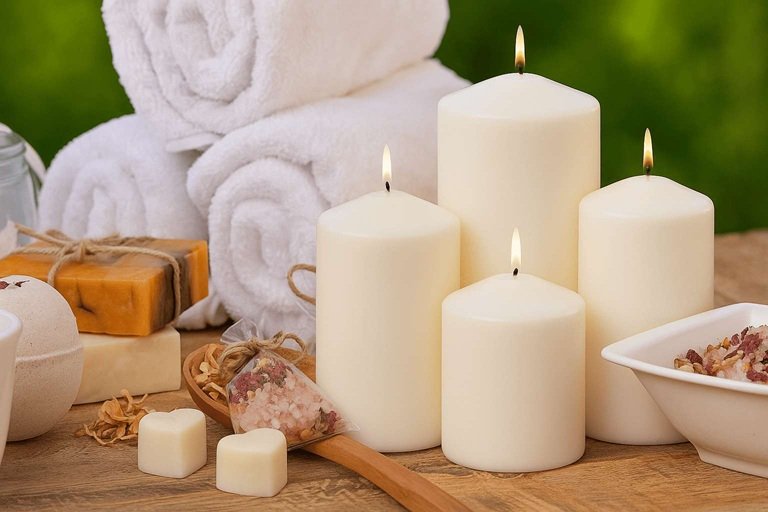
The Art of Slowing Down: How Aromatherapy Candles Create a Mindful Daily Ritual
In a world of constant notifications, crowded schedules, endless scrolling and pressure to stay productive, slowing down has become a meaningful form of self-care. A simple candle ritual can help create a gentle transition from a busy state of mind to a more intentional moment. When paired with calming fragrance, a comfortable environment and conscious breathing, candles for mindfulness practice can become a beautiful part of an everyday wellness routine.
Aromatherapy candles are more than decorative objects. For many people, the act of lighting a candle creates a sensory cue that says: pause, breathe and be present. The soft glow of the flame, the fragrance released into the room and the repeated ritual of lighting and extinguishing the candle can help establish a dedicated moment for meditation, reflection, yoga, reading, journaling or simply being still.
This guide explores the art of slowing down through candle rituals, explains how to create a mindful candle routine at home, discusses choosing soy wax and essential-oil-based candles, and shows how handmade candles such as those associated with Mistico Opus can fit naturally into a mindful lifestyle.
What Does It Really Mean to Slow Down?
Slowing down does not necessarily mean doing nothing. It means changing the quality of attention you bring to what you are doing. You can drink tea slowly, take a few conscious breaths before opening your laptop, stretch without checking your phone, write in a journal or sit quietly beside a candle. The activity itself may be ordinary, but your attention becomes deliberate.
Modern life often encourages rapid transitions. We move from email to messaging apps, from work to social media, from television to notifications and from one task to another without allowing our attention to settle. A daily mindfulness ritual creates a small interruption in that cycle.
This is where candles for mindfulness practice can become useful. The candle is not expected to magically create mindfulness. Instead, it can serve as a physical reminder to enter a different mode of attention.
Lighting the candle can become the beginning of the ritual. Watching the flame can become an anchor for attention. Smelling the fragrance can encourage sensory awareness. Sitting quietly can create space for reflection. Extinguishing the flame can signal the end of the practice.
Over time, repeating the same sequence can make the ritual familiar. The goal is not perfection. The goal is presence.
Slowing down is not about having more time. It is about becoming more present with the time you already have.
Mindfulness and the Candle Ritual
Mindfulness is commonly understood as paying attention to the present moment with an attitude of openness and awareness. A candle ritual can support this approach by giving the mind a simple sensory experience to notice.
Instead of thinking about everything that happened during the day or everything that needs to happen tomorrow, you can notice the candle's glow, the movement of the flame, the fragrance in the room and the sensation of breathing.
The candle becomes an intentional signal
One of the most useful aspects of a repeated ritual is consistency. When the same action is repeated at approximately the same time each day, it can become a recognizable transition point.
For example, lighting a candle after finishing work can create a boundary between professional responsibilities and personal time. Lighting one before meditation can signal the beginning of practice. Lighting a candle before journaling can encourage a slower, reflective mindset.
The candle does not have to be elaborate. What matters is the intention attached to it.
Mindfulness through the five senses
A candle ritual can naturally invite sensory attention. You can notice the visual quality of the flame, the fragrance, the warmth around the candle and the physical sensation of sitting comfortably.
This makes aromatherapy candles particularly interesting for people who prefer meditation practices involving sensory anchors.
Why Candles Can Become Powerful Mindfulness Cues
A candle offers something increasingly rare in digital life: a slow, physical experience. A screen changes instantly. A notification appears and disappears. A candle burns gradually.
That slower visual rhythm can encourage you to observe rather than react.
1. A visual anchor
The flame provides a simple point of attention. During meditation, you may choose to look softly at the flame for short periods and then close your eyes. This can make the candle a visual reminder to return attention to the present.
2. A sensory transition
Fragrance can become part of a familiar environment. When you repeatedly associate a particular scent with quiet time, reading, meditation or evening relaxation, the scent can become part of the ritual's atmosphere.
3. A physical boundary
Lighting a candle can mark the beginning of intentional time. This can be particularly helpful when working from home, where the boundary between professional and personal life may feel blurred.
4. A reminder to breathe
Every time you notice the flame, you can use it as a cue to take one slow breath. You do not need to perform a complicated breathing technique. Simply noticing inhalation and exhalation can bring attention back to the present.
5. A ritual of completion
Extinguishing the candle can become a deliberate closing action. It can represent the end of meditation, journaling, yoga, reading or quiet reflection.
How to Choose Aromatherapy Candles for Mindfulness
Choosing the right candle is less about finding a universally perfect fragrance and more about selecting a scent, wax type, size and style that fits your personal ritual.
Look for a fragrance you genuinely enjoy
A mindfulness ritual should feel pleasant rather than forced. If you dislike a fragrance, it is unlikely to become a calming part of your routine.
Consider soy wax
People interested in conscious living often explore eco friendly soy candles for meditation because soy wax is plant-derived and can fit naturally into an environmentally conscious lifestyle.
Soy wax candles are available in jars, pillars and other decorative formats. The choice can depend on the setting and the kind of ritual you are creating.
Consider the fragrance profile
Lavender is often selected for evening rituals because of its familiar association with relaxation. Other botanical or essential-oil-inspired fragrances may be preferred for meditation, yoga or daytime reflection.
Fragrance preferences are highly individual. A scent that one person finds soothing may be distracting to another.
Consider the candle's aesthetic
A candle is also part of the room. Handmade candles, decorative pillar candles and elegant aromatherapy jars can contribute to the visual character of a meditation corner, bedroom, reading area or yoga studio.
Why Consider Soy Wax Candles?
Soy wax is a plant-derived candle wax that has become popular among consumers looking for alternatives to conventional paraffin candles. For people building a conscious wellness routine, mistico opus soy wax candles and other handmade soy-wax formats can fit naturally into a broader preference for plant-based products.
A soy candle can be particularly appealing when the objective is to combine aesthetics, fragrance and a mindful lifestyle in one small ritual object.
Handmade soy wax candles
Handmade candles can bring a sense of craftsmanship to an everyday routine. The appeal is not only functional. A thoughtfully made candle can feel like an object chosen intentionally rather than a disposable item.
This is one reason searchers looking for handmade soy wax pillar candles, soy wax jar candles for meditation and vegan soy wax aromatherapy candles often focus on both materials and design.
Why wax matters in a mindful lifestyle
Mindfulness often extends beyond meditation itself. It can influence what we buy, how we use products and how intentionally we arrange our surroundings.
Choosing plant-based candle wax can therefore become part of a broader conscious-living philosophy, particularly when combined with reusable containers, responsible sourcing and thoughtful consumption.
Understanding Essential-Oil-Based Candle Fragrance
Essential oils are concentrated aromatic extracts obtained from plants. They are widely used in aromatherapy and personal wellness practices. When consumers search for meditation candles with essential oils or essential oil candles for spiritual rituals, they are often looking for a candle that combines fragrance with a more intentional sensory experience.
It is important to distinguish between a candle containing essential oils and a candle that uses a fragrance blend inspired by a botanical aroma. Product descriptions should accurately state what the candle contains.
Lavender and evening rituals
Lavender is a popular fragrance for evening environments. People who enjoy it may choose natural lavender soy candles for sleep as part of a relaxing bedtime routine.
A candle should not be presented as a treatment for insomnia or a medical condition. Instead, it can be described as an atmospheric element within a broader wind-down routine.
Fragrance and emotional associations
Fragrance can be closely connected with memory and personal associations. One aroma may remind someone of a garden, another of a spa, another of a forest and another of a familiar home.
That personal association is one reason scent can make a daily ritual feel distinctive.
How to Create a Daily Aromatherapy Candle Ritual
You do not need a dedicated meditation room or an hour of free time to create a mindful candle ritual. Start with five to ten minutes.
Step 1: Choose a consistent time
Choose a point in the day that is realistic. It could be early morning, after work, before dinner or before bedtime.
Step 2: Reduce distractions
Put your phone on silent. Close unnecessary browser tabs. Lower the television volume. You are creating a temporary space in which your attention does not have to jump between multiple demands.
Step 3: Prepare the space
Keep the area clean and comfortable. A cushion, chair, yoga mat, journal or small table may be enough.
Step 4: Light the candle intentionally
Instead of lighting it while rushing to another task, pause for a moment. Notice the first appearance of the flame.
Step 5: Take three conscious breaths
Breathe naturally. Notice the sensation of breathing without trying to force a particular result.
Step 6: Choose your focus
You may focus on the flame, the fragrance, your breath, a short affirmation, a prayer or simply the experience of sitting quietly.
Step 7: Stay for five to fifteen minutes
There is no requirement to meditate for a long period. Consistency is often more realistic than intensity.
Step 8: Close the ritual
Extinguish the candle safely and take one final breath before returning to your day.
A Morning Mindfulness Candle Ritual
Morning rituals can influence how intentionally you enter the day. Rather than checking notifications immediately after waking, consider creating a few quiet minutes before engaging with digital information.
A small candle can sit beside a journal, meditation cushion or yoga mat. Light it and spend a few minutes breathing slowly.
You might ask yourself:
- How do I want to feel today?
- What deserves my attention?
- What can I choose not to rush?
- What is one thing I am grateful for?
This turns the candle into an intention-setting cue rather than simply a decorative object.
An Evening Candle Ritual for Relaxation
Evening is perhaps the most natural time for the art of slowing down. After a demanding day, many people want their homes to feel quieter and more comfortable.
Aromatherapy candles for relaxation and sleep can be incorporated into an evening routine that includes gentle lighting, reduced screen time, reading, stretching, journaling or meditation.
Consider creating a sequence:
- Finish the day's major tasks.
- Put devices aside for a few minutes.
- Dim the room lights.
- Light a preferred aromatherapy candle.
- Take several slow breaths.
- Stretch gently or sit quietly.
- Read or journal for a few minutes.
- Extinguish the candle before leaving the room or going to sleep.
This type of routine can make the transition from activity to rest more deliberate. The candle is an environmental cue, not a medical sleep treatment.
Lavender candles for better sleep?
Lavender is frequently associated with relaxation and bedtime environments, which is why lavender candles for better sleep are a popular search topic. However, a candle should be viewed as one component of a broader sleep-friendly environment rather than a guaranteed solution for sleep problems.
How to Create a Peaceful Meditation Space with Candles
A meditation space does not need to occupy an entire room. A corner of a bedroom, living room, balcony or home office can become a designated quiet area.
Candles for peaceful meditation space can provide a soft visual element and help distinguish the meditation area from the rest of the room.
Keep the space visually simple
Too many objects can create visual distraction. Choose a small number of meaningful items.
Use one focal candle
One well-placed candle may be more effective aesthetically than filling the space with multiple competing scents.
Add natural materials
A cotton cushion, wooden tray, natural textiles or a small plant can complement a candle-based meditation environment.
Make the ritual repeatable
Keep the candle in a convenient location so that setting up your practice does not become another chore.
Using Aromatherapy Candles During Yoga Practice
Yoga is often practiced as more than a physical workout. Many practitioners use the practice to cultivate awareness of breathing, movement and bodily sensations.
Aromatherapy candles for yoga practice can contribute to the atmosphere of a home yoga space or professional studio.
Before beginning, light a suitable candle in a secure location away from the yoga mat and areas where movement could accidentally disturb it.
A gentle fragrance may accompany slow stretching, breath-focused practice or restorative yoga. For a more active session, you may prefer no fragrance or a very subtle scent.
Natural candles for yoga studio spaces
Yoga studios that use candles should prioritize safe placement, adequate ventilation and clear fire-safety procedures. Natural candles for yoga studio environments can be selected as part of an overall natural aesthetic, but safety should always take priority over ambiance.
Using Candles as Part of a Bedtime Wind-Down
A bedtime ritual is about creating consistency and reducing unnecessary stimulation before sleep. A candle can become one element of that transition.
Try pairing a fragrance you enjoy with calming activities such as reading, gentle stretching, gratitude journaling or quiet breathing.
If you use a candle in the bedroom, always extinguish it before falling asleep. Never leave a burning candle unattended.
People searching for candles that help improve sleep naturally should think of candles primarily as an atmospheric and ritual tool. Healthy sleep habits, a consistent schedule and an appropriate sleep environment remain important.
Aromatherapy Candles, Stress and the Art of Pausing
Stress often makes people feel that they need to do more. Mindful slowing down offers another possibility: pause before adding another activity.
A five-minute candle ritual can create a small gap between stimulus and response.
If you arrive home feeling mentally overloaded, instead of immediately opening another app or starting another task, light a candle and sit quietly for a few minutes.
This is why organic aromatherapy candles for stress relief and stress relief candles for home are appealing search concepts. The candle itself is not a guaranteed stress treatment; the value comes from creating an intentional environment in which you can pause, breathe and reconnect with the present.
A five-minute reset
- Light your candle.
- Place both feet comfortably on the floor.
- Relax your shoulders.
- Look softly toward the flame.
- Take five slow, natural breaths.
- Notice three sounds around you.
- Notice the fragrance.
- Ask yourself what you need in this moment.
- End the ritual intentionally.
Candles for Spiritual Meditation and Rituals
Candles have long been incorporated into different cultural and spiritual practices. The meaning attached to a flame varies across traditions, so a respectful approach is to let individuals define what the ritual means to them.
Candles for spiritual meditation can be used as symbols of awareness, intention, gratitude, remembrance, reflection or inner stillness.
Similarly, essential oil candles for spiritual rituals may be selected because a particular fragrance has personal or symbolic significance.
A candle does not need to be assigned a supernatural function to have personal meaning. A person may simply associate its flame with quietness, prayer, reflection or a renewed intention.
Creating a respectful ritual
Keep the practice simple. State an intention, light the candle, sit quietly, pray or meditate according to your personal tradition and close the ritual when you are ready.
Aromatherapy Candles and Chakra-Inspired Practices
Chakra meditation is used by some people as a reflective or spiritual practice. When candles are incorporated, color and fragrance may be selected according to personal symbolism.
Aromatherapy candles for chakra healing should be understood in the context of spiritual or wellness practices rather than as medical treatment.
For example, someone may choose a warm-toned candle for a grounding meditation or a floral fragrance for a heart-centered reflection. The meaning is personal and can vary between traditions.
The most useful principle is intention. Select a candle because it supports the atmosphere you want to create, not because it promises guaranteed physical or emotional outcomes.
Using Candles to Create a Calming Home Environment
Your home environment can influence how easy it feels to slow down. Clutter, harsh lighting, constant notifications and excessive background noise can make relaxation more difficult.
Candles can contribute to a warmer and more intentional atmosphere.
Living room
Place a candle on a stable, heat-resistant surface and use it during reading, conversation, journaling or quiet evenings.
Bedroom
A gentle fragrance can become part of a pre-sleep routine, provided the candle is completely extinguished before sleeping.
Bathroom
A candle can complement a bath or self-care ritual. Keep it away from water splashes, towels and other flammable materials.
Home office
A candle can mark the transition between work and personal time. It may also be useful during a short midday mindfulness break.
Meditation corner
This is perhaps the most natural setting for natural wellness candles for meditation. Keep the area uncluttered and make the ritual easy to repeat.
Creating a Mindful Candle Ritual with Mistico Opus
For consumers who prefer handcrafted products, Mistico Opus offers a natural fit with the growing interest in mindful home rituals. The brand can be incorporated into this article's wellness theme through its positioning around handmade soy-wax candles, aromatherapy and conscious home ambiance.
Readers interested in exploring the brand can visit the Mistico Opus website to view its current candle collection and product information.
The appeal of Mistico Opus aromatherapy candles is especially relevant for people who want to turn candle lighting into a recurring wellness ritual rather than treating a candle purely as home décor.
Searches such as mistico opus essential oil candles, mistico opus handmade vegan candles, mistico opus luxury soy candles, mistico opus meditation candles, mistico opus natural aromatherapy candles, mistico opus organic scented candles and mistico opus wellness candles reflect different ways consumers may connect the brand with a mindful lifestyle.
Why handmade matters in a slowing-down ritual
Handmade products can encourage a more intentional relationship with everyday objects. Rather than choosing something simply because it is convenient, consumers can consider materials, craftsmanship, fragrance, design and how the object fits their routine.
A handmade aromatherapy jar candle can therefore become both a sensory object and a ritual object.
Jar candles for meditation and relaxation
Handmade aromatherapy jar candles are convenient for home environments because the container provides a defined space for the wax and flame. They can be placed on a stable table, shelf or meditation altar where appropriate.
Soy wax jar candles for relaxation can also become part of evening routines, reading corners and self-care rituals.
Pillar candles for a more decorative ritual
Natural soy pillar candles for meditation, organic aromatherapy pillar candles and handmade wellness pillar candles can create a more sculptural visual presence.
Pillar candles may be particularly attractive for meditation spaces, altars, tablescapes and yoga-inspired interiors, provided they are placed on appropriate heat-resistant surfaces.
Vegan candle choices
Consumers seeking plant-based lifestyle products may also look for vegan scented jar candles India and vegan decorative pillar candles. When making vegan or material claims, always verify the specific product description and formulation.
The Best Candle Ritual for Different Moments of the Day
| Moment | Suggested Ritual | Mindful Focus |
|---|---|---|
| Morning | Light a candle before journaling | Intention and gratitude |
| Midday | Five-minute candle pause | Breathing and reset |
| After work | Light a candle during transition time | Letting go of work mode |
| Yoga | Use a subtle fragrance before practice | Body and breath awareness |
| Evening | Combine candlelight with reading | Slowing down |
| Before bed | Use candlelight during wind-down | Quiet reflection |
Common Candle-Ritual Mistakes to Avoid
1. Making the ritual too complicated
If your ritual requires twenty steps, expensive equipment and an hour of free time, it may be difficult to sustain. Start with five minutes.
2. Using too many fragrances
Multiple strong fragrances can compete with one another. One candle is often enough.
3. Treating the candle as a cure
Aromatherapy candles can contribute to atmosphere and personal rituals, but they should not be presented as guaranteed treatments for anxiety, depression, insomnia or other medical conditions.
4. Leaving candles unattended
Never sacrifice safety for ambiance.
5. Turning mindfulness into another productivity task
The goal is not to become better at relaxing. The goal is simply to create a moment in which you are present.
6. Choosing fragrance only because it is popular
Your personal response matters. Choose scents that you genuinely enjoy.
30 Mindful Candle Ritual Ideas for Everyday Life
- Light a candle immediately before morning journaling.
- Use candlelight during five minutes of conscious breathing.
- Light a candle while writing a gratitude list.
- Use a candle as a transition after finishing work.
- Read a physical book beside candlelight.
- Use candlelight during gentle stretching.
- Begin a yoga session with a short candle ritual.
- Light a candle before meditation.
- Use a candle while practicing a body scan.
- Light a candle before writing morning intentions.
- Use a candle during an evening digital detox.
- Create a five-minute quiet period after dinner.
- Use a lavender candle during a bedtime wind-down.
- Light a candle before reflective prayer.
- Use a candle during a spiritual meditation session.
- Place a candle on a meditation table.
- Use one candle as the visual focus of a quiet room.
- Light a candle before a creative writing session.
- Use candlelight during mindful tea drinking.
- Pair a candle with calming instrumental music.
- Light a candle while practicing slow breathing.
- Create a Sunday evening reflection ritual.
- Use a candle while planning the coming week.
- Light a candle before practicing gratitude.
- Use candlelight during a technology-free meal.
- Place a candle near a yoga mat before restorative yoga.
- Use a candle during a personal affirmation practice.
- Light a candle while decluttering a room mindfully.
- Create a monthly reflection ritual with candlelight.
- End your weekly self-care routine by extinguishing the candle intentionally.
The important thing is not to complete all thirty ideas. Choose one or two that feel natural and repeat them consistently.
Mindfulness and Conscious Candle Choices
Mindfulness can extend beyond meditation into consumption. When choosing a candle, consider what the product is made from, how it is packaged, how long you expect to use it and whether the product aligns with your values.
This is one reason mistico opus eco friendly candles and other plant-wax candle options can appeal to consumers interested in a more conscious home environment.
Questions to ask before buying
- What type of wax is used?
- What fragrance materials are used?
- Is the product suitable for my intended space?
- Does the product information clearly describe its ingredients?
- Is the container reusable or recyclable where possible?
- Does the candle fit my personal aesthetic?
- Will I genuinely use it as part of my routine?
Choosing fewer, better-loved products can itself become an exercise in mindful consumption.
Candle Safety for Mindful Rituals
Mindfulness should never mean ignoring candle safety. A burning candle is an open flame and should always be treated responsibly.
- Never leave a burning candle unattended.
- Keep candles away from curtains, paper, bedding and other flammable materials.
- Place candles on stable, heat-resistant surfaces.
- Keep candles away from children and pets.
- Do not place candles where they can be knocked over easily.
- Follow the manufacturer's burning and wick-trimming instructions.
- Never fall asleep while a candle is burning.
- Extinguish candles before leaving a room.
- Allow appropriate cooling time before moving a candle.
- Follow the safety instructions supplied with the individual product.
Safety is especially important when using candles during meditation because meditation can involve closing the eyes or entering a deeply relaxed state. If you cannot actively supervise the flame, extinguish it.
A Complete 10-Minute Mindful Candle Ritual
If you want one simple routine to begin with, try this ten-minute practice.
Minute 1: Prepare
Sit comfortably. Put your phone aside. Make sure the candle is positioned safely.
Minute 2: Light
Light the candle and watch the flame settle.
Minutes 3–4: Breathe
Notice your natural breathing. There is no need to control it.
Minutes 5–6: Observe
Notice the candle's glow, fragrance and the sensations around you.
Minutes 7–8: Reflect
Ask yourself what deserves your attention today or what you can release from your mind.
Minute 9: Gratitude
Identify one small thing you appreciate.
Minute 10: Close
Extinguish the candle safely. Take one final breath and return to your day.
This simple sequence demonstrates the central idea of mindful candle use: the candle is not the destination. It is the cue that helps you create space for awareness.
Using a Candle Ritual to Create a Boundary After Work
Working from home can make it difficult to distinguish work hours from personal time. A simple ritual can create a psychological boundary.
At the end of your workday, close your laptop, tidy your desk and move to another area. Light an aromatherapy candle and sit quietly for five minutes.
You can use this moment to acknowledge that the workday has ended. Instead of immediately moving into another stream of digital information, allow yourself to experience a transition.
This is an excellent application for calming aromatherapy candles for home because the candle becomes associated with a specific transition rather than simply being switched on whenever the room needs decoration.
Creating a Candlelit Reading Ritual
Reading is naturally compatible with slowing down. Choose a comfortable chair, turn down harsh overhead lighting and use a candle as a soft atmospheric element.
Keep the candle at a safe distance from books and paper. The goal is not to read directly by candlelight but to use candlelight as part of the room's ambiance.
A reading ritual can be particularly effective in the evening because it gives the mind an alternative to constant digital stimulation.
Journaling with Aromatherapy Candles
Journaling and candlelight make a natural pairing because both encourage reflection.
Light your candle and choose one question:
- What am I feeling right now?
- What went well today?
- What am I carrying that I can let go of?
- What deserves more of my attention?
- What small thing made me happy today?
- What would slowing down look like tomorrow?
There is no need to write perfectly. The purpose is simply to observe your thoughts without immediately judging or acting on them.
Turning Your Home into a Mindful Environment
A mindful home does not have to look minimalist or follow a particular interior-design trend. It is a space where certain areas intentionally support rest, attention and personal rituals.
Candles can contribute to this atmosphere through light, fragrance and design.
Consider creating three small zones:
- Rest zone: a comfortable chair or bedroom area for reading and relaxation.
- Reflection zone: a small meditation or journaling corner.
- Transition zone: an area where you pause after work or before beginning the evening.
A single candle can serve each area at different times, or you can choose different candle styles for different rituals.
The Role of Sensory Awareness in Slowing Down
One reason candle rituals can feel grounding is that they bring attention away from abstract thought and toward immediate sensory experience.
Try noticing:
- the shape of the flame;
- the movement of light on nearby surfaces;
- the fragrance;
- the temperature of the surrounding air;
- the feeling of your feet on the floor;
- the sound of your breathing;
- the physical sensation of sitting.
This is the essence of present-moment awareness: instead of constantly thinking about what happened or what might happen, you spend some time noticing what is happening now.
Why Small Rituals Are Easier to Sustain
A common mistake when beginning a wellness routine is starting too ambitiously. A person may decide to meditate for an hour every morning, exercise daily, journal extensively and completely eliminate digital distractions.
Such plans may be difficult to maintain.
A five-minute candle ritual is easier to integrate. Once it becomes familiar, you can extend it naturally.
The goal is not to build a perfect routine. It is to build a repeatable one.
That philosophy fits the idea behind Mistico Opus wellness candles: a candle can become part of an everyday wellness environment where small sensory rituals help people create intentional pauses.
A Full-Day Mindful Candle Routine
Morning: Intention
Use a candle for five minutes while setting an intention for the day.
Afternoon: Reset
Take a three-minute break from screens and use the candle as a breathing cue.
Evening: Transition
Light an aromatherapy candle after work and spend ten minutes without digital distractions.
Night: Reflection
Use candlelight during journaling or reading, then extinguish the flame before sleep.
You do not have to follow all four. Even one daily ritual can make a meaningful difference to the structure of your day.
The Appeal of Luxury Soy Candles in Mindful Living
Luxury does not have to mean excess. In a mindful lifestyle, luxury can mean choosing one beautifully crafted object and appreciating it fully.
Mistico Opus luxury soy candles can be positioned within this concept of intentional luxury: a candle becomes part of the sensory identity of a room and part of a personal ritual.
A thoughtfully designed candle can serve as décor when unlit and as a sensory experience when burning.
The important distinction is between buying something for constant consumption and selecting something you genuinely value and use with intention.
Why Mindful Candle Rituals Are Relevant for Modern Indian Homes
India's long-standing relationship with lamps, light, fragrance, meditation, yoga and ritual makes candle-based mindfulness especially adaptable to contemporary homes.
Modern Indian households also increasingly combine traditional practices with contemporary wellness routines. A meditation corner may sit beside a work desk. A yoga mat may share space with a living room. Evening prayer, journaling, reading and aromatherapy may all become part of the same personal wellness routine.
Handmade candles can complement this environment because they combine familiar symbolism with modern design.
Searches for handmade organic jar candles India, organic essential oil jar candles, organic wellness jar candles and vegan scented jar candles India reflect interest in candle products that fit conscious and wellness-oriented lifestyles.
Quick Guide: Which Candle Should You Choose?
| Your Goal | Potential Candle Style | Suggested Setting |
|---|---|---|
| Mindfulness | Simple soy wax jar candle | Meditation corner |
| Relaxation | Aromatherapy candle | Living room |
| Evening wind-down | Lavender-inspired candle | Bedroom or reading area |
| Yoga | Subtle natural fragrance candle | Yoga space |
| Spiritual reflection | Minimal pillar candle | Meditation or prayer space |
| Home ambiance | Decorative aromatherapy jar | Living or dining area |
The Art of Slowing Down Begins with One Small Action
Mindfulness does not require a perfect environment. It does not require an expensive meditation cushion, a silent retreat or a complicated routine.
Sometimes it begins with turning off a notification.
Sometimes it begins with taking one conscious breath.
And sometimes it begins with lighting a candle.
Candles for mindfulness practice can provide a simple sensory cue that helps transform an ordinary moment into a deliberate pause. The flame gives you something to notice. The fragrance can help shape the atmosphere. The ritual gives the mind a boundary. The repeated practice creates familiarity.
Whether you choose a handmade soy wax jar candle, an aromatherapy pillar candle, a lavender-scented candle for an evening routine or a minimalist candle for meditation, the deeper value comes from how you use it.
The most meaningful ritual is the one you can return to.
Light the candle.
Put the phone away.
Take a breath.
Notice where you are.
Stay for a moment.
That is the art of slowing down.
Explore Handmade Aromatherapy Candle Rituals with Mistico Opus
If you are looking for handmade soy wax candles, aromatherapy candles and mindful home ambiance, explore the current collection from Mistico Opus. Choose a candle that fits your space, fragrance preferences and personal ritual.
Frequently Asked Questions About Aromatherapy Candles and Mindfulness
1. Can candles help with mindfulness practice?
Candles can support a mindfulness practice by providing a simple visual and sensory cue for slowing down and returning attention to the present moment. Watching a flame, noticing fragrance and taking conscious breaths can become part of a personal mindfulness ritual.
2. What are the best candles for mindfulness meditation?
The best candle for mindfulness meditation is one with a fragrance and design you personally find comfortable and non-distracting. Soy wax candles, subtle aromatherapy candles and simple meditation candles with essential oils can all be suitable when used safely.
3. Are soy wax candles good for meditation?
Soy wax candles can be a suitable choice for meditation because soy wax is plant-derived and available in many simple jar and pillar formats. Choose a candle with a fragrance that supports your preferred meditation environment and always follow candle safety instructions.
4. What are aromatherapy candles used for?
Aromatherapy candles are commonly used to create a pleasant sensory atmosphere for relaxation, meditation, yoga, reading, self-care and evening routines. Their primary role in these practices is to contribute fragrance and ambiance rather than serve as a medical treatment.
5. Are lavender candles good for bedtime routines?
Lavender is a popular fragrance for evening and bedtime environments. A lavender candle can be included in a relaxing wind-down routine involving reading, gentle stretching or quiet reflection. The candle should always be extinguished before sleeping.
6. How do you use a candle during meditation?
Place the candle on a stable, heat-resistant surface at a safe distance. Light it before meditation, sit comfortably and use the flame as an optional visual point of attention. You can also focus on your breathing or simply notice the candle's presence. Extinguish the candle safely when the practice ends.
7. Can aromatherapy candles help create a peaceful meditation space?
Yes. An aromatherapy candle can contribute soft light and fragrance to a meditation space. A simple candle combined with a comfortable seat, reduced distractions and a consistent meditation routine can help create an intentional environment for quiet practice.
8. What candles are suitable for yoga practice?
Candles with subtle, pleasant fragrances can be used in yoga environments when safely positioned away from the mat and areas of movement. Natural soy candles for yoga can complement a calm studio or home practice, but fragrance should never become distracting.
9. Are candles with essential oils suitable for meditation?
Candles formulated with essential oils may be suitable for meditation if you enjoy the fragrance and the product is used according to its instructions. Check the product's ingredients and fragrance information, especially if you are sensitive to scents.
10. What is the difference between a soy wax jar candle and a pillar candle?
A jar candle burns inside a container, while a pillar candle is designed to stand independently and typically burns from the top down. Both can be used for meditation, relaxation and home ambiance when placed on suitable surfaces and used according to manufacturer instructions.
11. Can candles be used for spiritual meditation?
Yes. Many people incorporate candlelight into personal spiritual meditation, prayer, reflection and intention-setting. The meaning of the candle varies according to individual beliefs and traditions.
12. Are aromatherapy candles good for relaxation?
Aromatherapy candles can contribute to a relaxing home atmosphere through fragrance, soft light and ritual. They work best as one part of a broader relaxation routine that may include breathing, reading, stretching or quiet time.
13. How long should a mindfulness candle ritual last?
A mindfulness candle ritual can be as short as five minutes. Beginners may start with five to ten minutes and gradually adjust the duration according to their routine. Consistency is generally more practical than creating a ritual that is difficult to maintain.
14. Are handmade soy candles a good choice for a mindful lifestyle?
Handmade soy candles can suit a mindful lifestyle for people who value plant-derived wax, craftsmanship, thoughtful design and intentional consumption. Always check the specific product description to confirm ingredients, fragrance composition and sustainability claims.
15. Where can I find handmade soy wax aromatherapy candles in India?
Consumers in India can explore handmade soy wax aromatherapy candle collections from specialist candle brands such as Mistico Opus. Visit the Mistico Opus website to review the current range, fragrance information and product details before choosing a candle for your ritual.
Key Takeaways
- Candles for mindfulness practice can act as sensory reminders to slow down and return attention to the present.
- Aromatherapy candles can complement meditation, yoga, journaling, reading and evening relaxation.
- Soy wax candles appeal to consumers seeking plant-derived candle-wax options.
- Essential-oil-based candle fragrances should be accurately described according to the actual formulation.
- Lavender candles can be incorporated into relaxing evening routines but should not be presented as guaranteed sleep treatments.
- Handmade candles can add craftsmanship and intentionality to a mindful home environment.
- Mistico Opus can be explored by consumers looking for handmade soy wax and aromatherapy candle options.
- A five-minute ritual can be enough to begin building a consistent mindfulness habit.
- Candle safety should always take priority over ambiance.
- The purpose of a mindful candle ritual is not the candle itself but the intentional pause it represents.